Ribosome biology
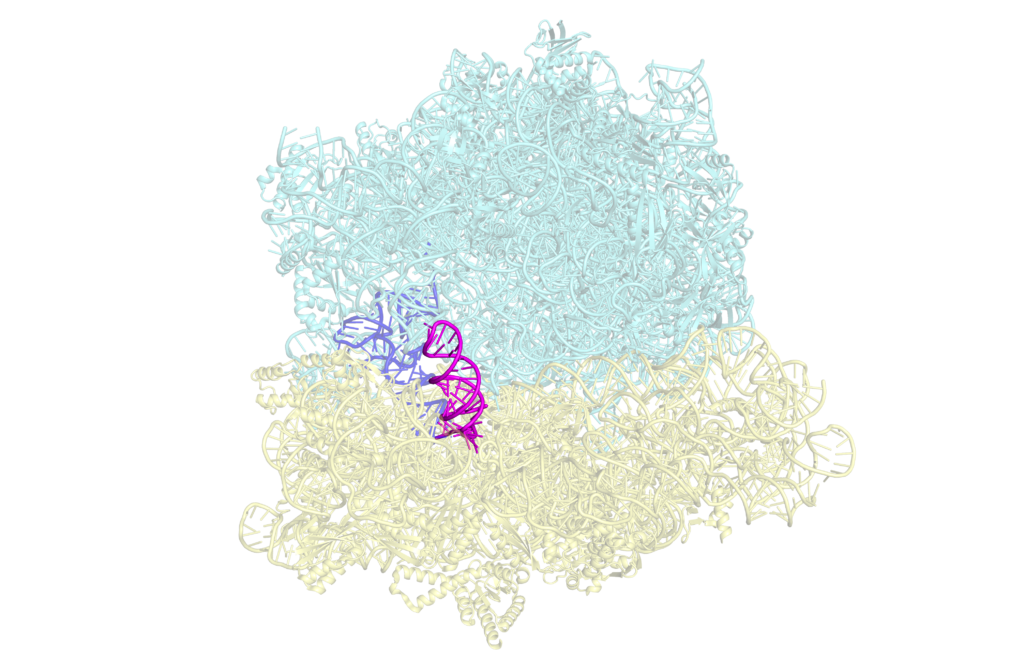
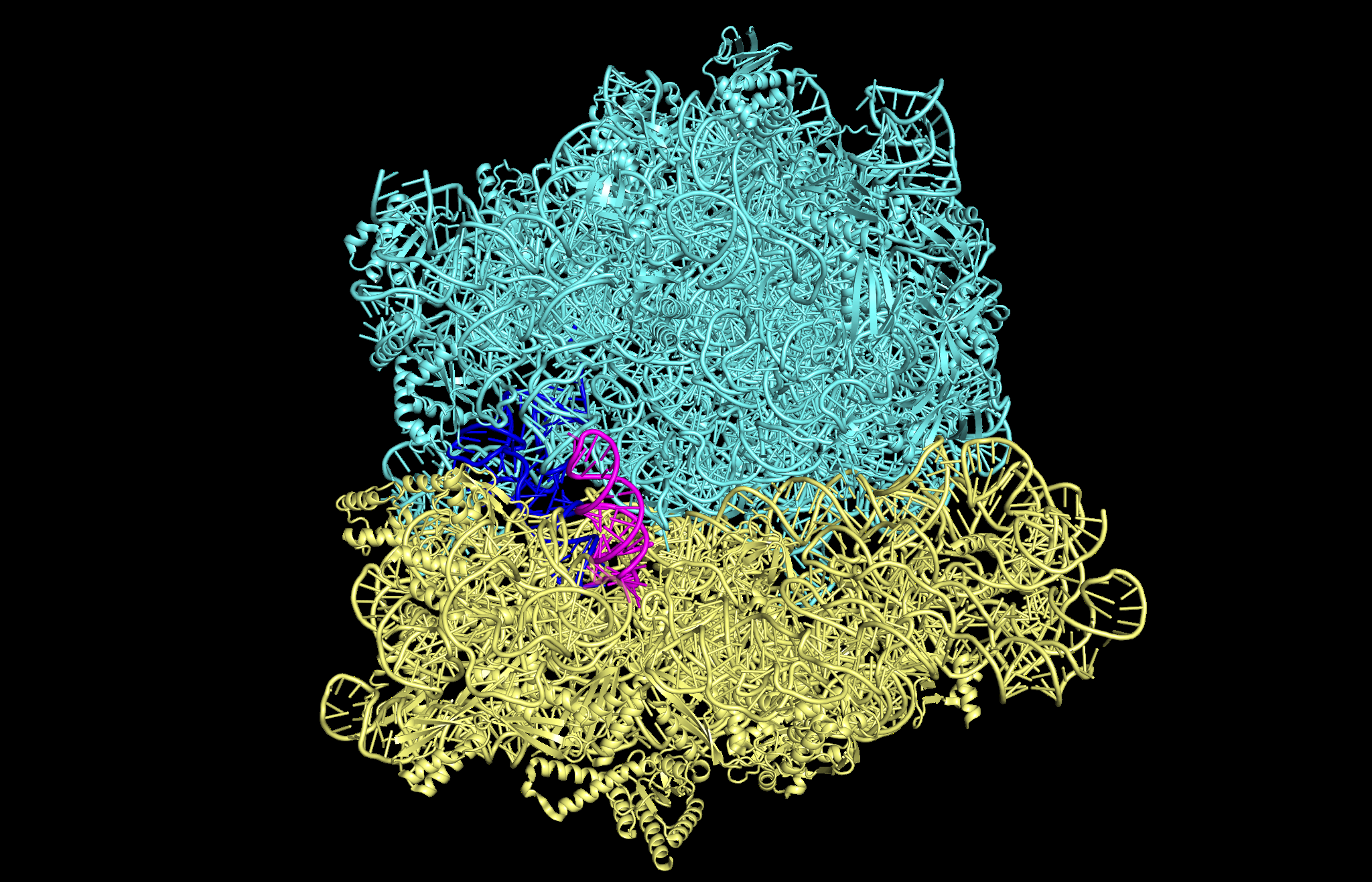
We examine regulatory states of ribosomes and ribosome-associated complexes.
UW–Madison · Department of Anesthesiology · MCP & Biophysics graduate programs
The Loerch Lab studies how cells regulate translation in space and time, with a focus on ribosome states, neuronal translation, and cryo-EM approaches that connect molecular structure to cellular context.
Graduate program affiliations: Molecular & Cellular Pharmacology and Biophysics.
Research focus
Protein synthesis is not just controlled by an on or off switch. Cells tune which mRNAs are translated, where translation happens, and which ribosome-associated factors shape the outcome.
The Loerch Lab studies these questions using structural biology and cellular approaches, with particular interest in neurons, pain-related biological processes, and disease-relevant translational control.
We examine regulatory states of ribosomes and ribosome-associated complexes.
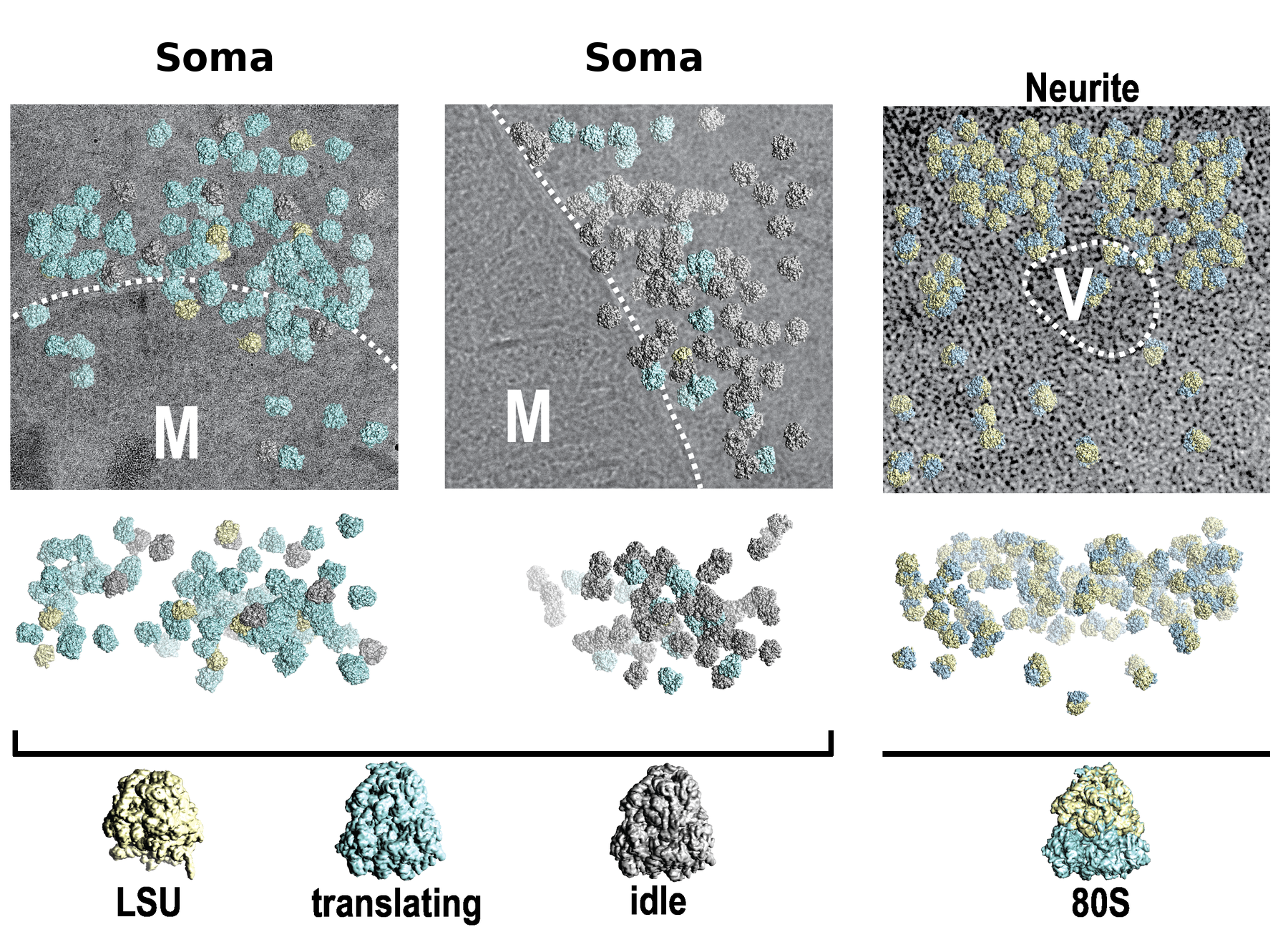
We study local and temporal control of protein synthesis in neuronal systems.
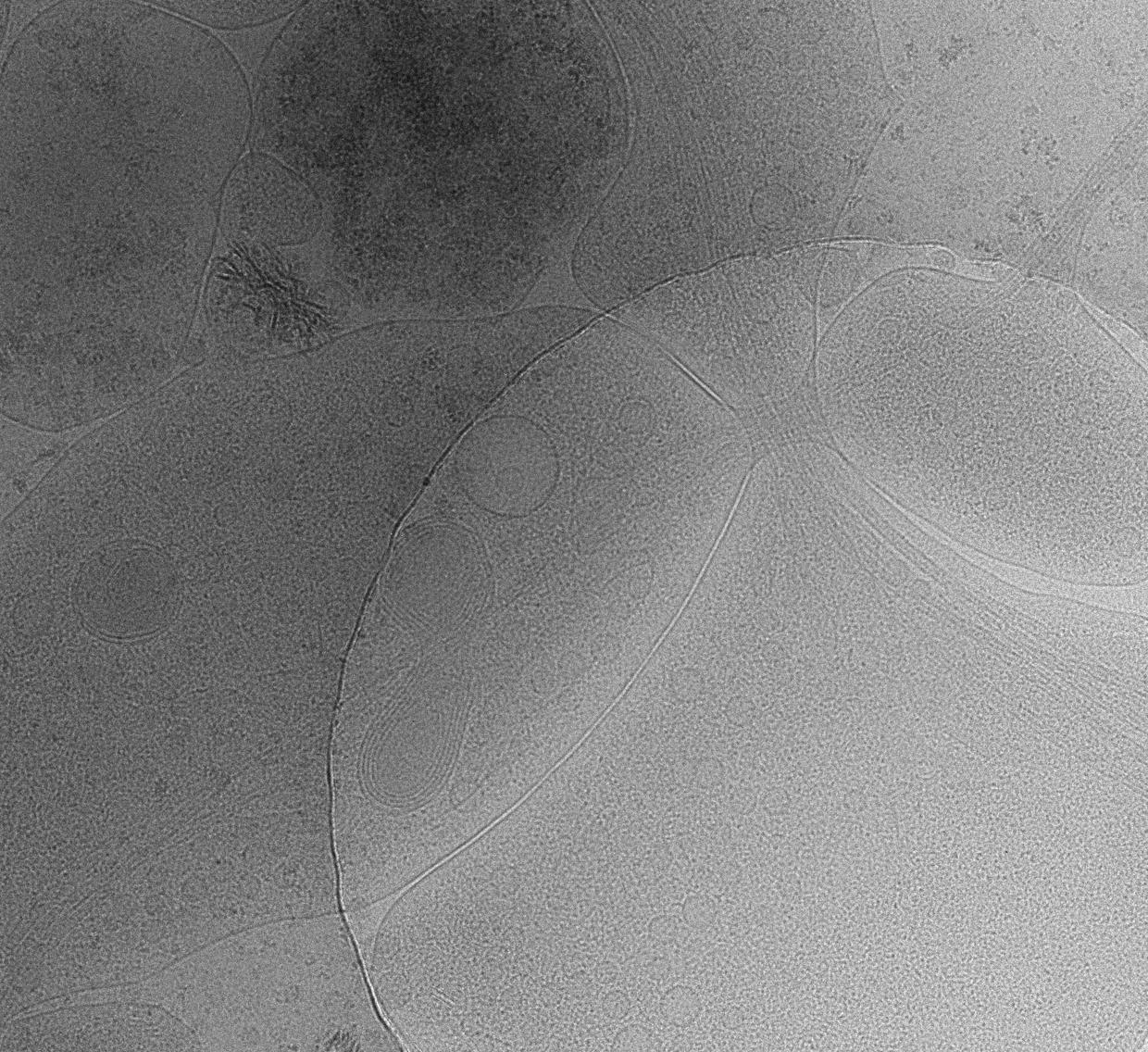
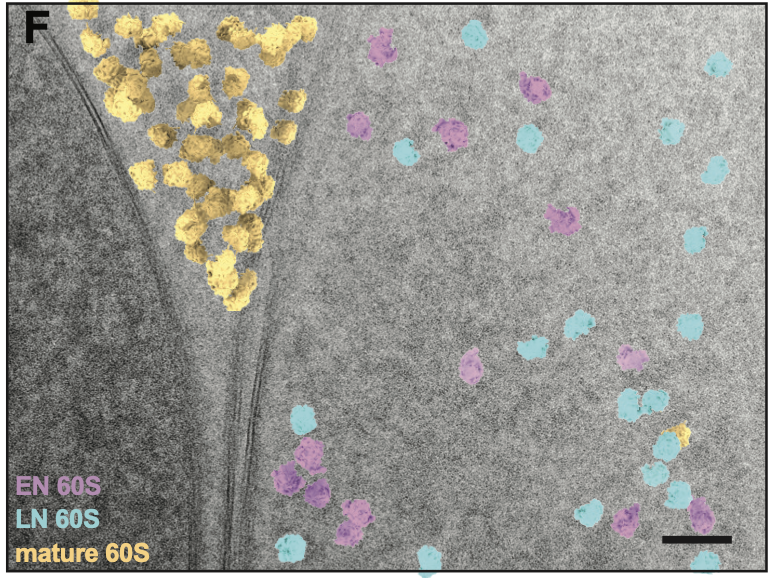
We use SPA and in situ structural approaches to connect molecular structure with cellular context.
Our work combines biochemical reconstitution, cryo-EM, and in situ image analysis to ask where ribosomes are, what state they are in, and how translation changes in specialized cellular environments.
We welcome motivated postdocs, graduate students, undergraduates, and cryo-EM specialists interested in translational regulation and structural biology.